Breaker panels, also known as electrical panels or load centers, are the central hub of a property’s electrical system. They distribute electricity throughout a home or commercial building and protect circuits from overloads and faults. Understanding the different types of breaker panels is really important for safety and energy efficiency.
Whether upgrading an outdated panel or planning a new installation, knowing how breaker panels work and which type is appropriate can help property owners make informed decisions and avoid electrical hazards.
What Is a Breaker Panel and Why It Matters
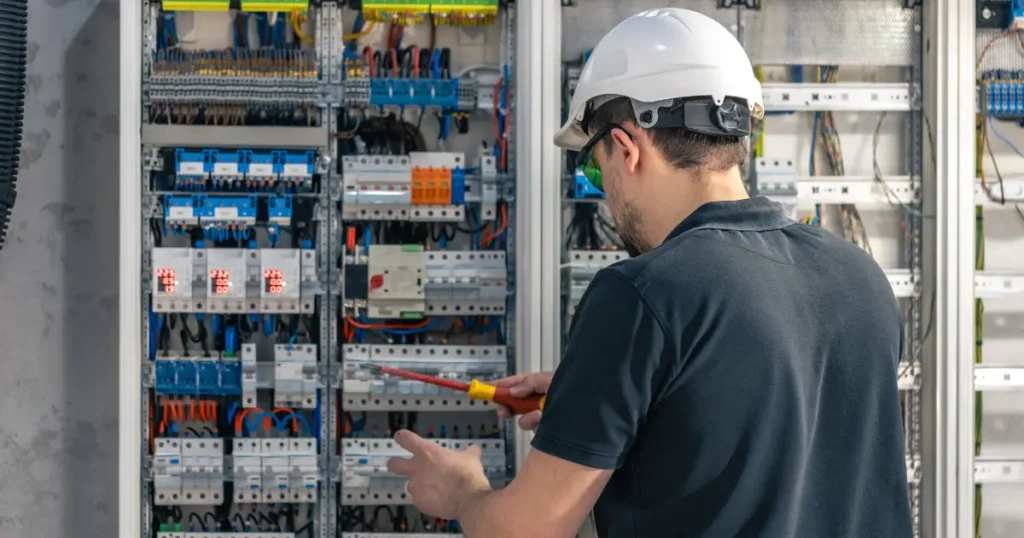
A breaker panel controls the flow of electricity from the utility line into a building. Inside the panel, circuit breakers shut off power automatically when a circuit becomes overloaded or experiences a short circuit. This prevents damage to appliances, wiring, and reduces the risk of electrical fires.
There are many different types of breaker panels. Older or undersized one may struggle to meet modern electrical demands, especially with today’s increased use of high-powered appliances, EV chargers, and commercial equipment. Choosing the correct panel type is critical for both safety and performance.
Understanding how breaker panels actually work
Main Types of Breaker Panels
Different properties require different panel types based on electrical demand, building size, and usage. Below is a breakdown of the most common types of breaker panels used in residential and commercial settings.
Common Types of Breaker Panels
| Panel Type | Description | Best Used For |
| Main Breaker Panel | Includes a main breaker that controls power to all circuits | Most modern homes and small businesses |
| Main Lug Panel | Lacks a main breaker; power controlled upstream | Subpanels or secondary panels |
| Subpanel | Feeds power from a main panel to a specific area | Garages, additions, workshops |
| Transfer Switch Panel | Connects backup generators to selected circuits | Homes or businesses with generators |
| Smart Electrical Panel | Allows monitoring and control via apps | Energy-efficient or tech-enabled properties |
Residential Breaker Panels
Residential breaker panels are designed to handle everyday household electrical needs. Most modern homes use main breaker panels rated between 100 and 200 amps. However, older homes may still have panels that are undersized or outdated, which isn’t always safe.
Upgrading to a newer panel improves capacity, reduces the risk of tripped breakers, and prepares the home for future electrical upgrades.
Commercial Breaker Panels
Commercial properties typically require higher-capacity breaker panels due to increased electrical loads. These panels are built to support lighting systems, HVAC units, machinery, and multiple circuits operating simultaneously.
Commercial panels must also comply with stricter electrical codes and safety standards, making professional installation and maintenance essential.
Learn about electrical codes and safety here
Differences Between Residential and Commercial Breaker Panels
| Feature | Residential Panels | Commercial Panels |
| Typical Amperage | 100–200 amps | 200+ amps |
| Circuit Load | Lower, household-focused | Higher, equipment-driven |
| Panel Size | Smaller footprint | Larger, more complex |
| Code Requirements | Residential electrical codes | Commercial & industrial standards |
| Upgrade Frequency | Occasional | More frequent due to load changes |
Signs You May Need a Breaker Panel Upgrade
Certain warning signs may indicate that a breaker panel is no longer adequate or safe:
· Frequent breaker trips
· Flickering lights
· Burning smells or warm panel surfaces
· Use of extension cords due to limited outlets
· Adding high-demand systems like EV chargers or HVAC upgrades
When these issues appear, a professional electrical inspection is recommended. Catale Electric Company is a contractor company that will make sure you won’t face any of these problems for a very long time.
Why Choosing the Right Breaker Panel Matters
Selecting the correct type of breaker panel improves safety and prevents overload. Understanding the different types of electrical panels helps maintain that threshold of safety. After all, an improperly sized or outdated panel can lead to power interruptions, damaged equipment, and increased fire risk.
Licensed electrical contractors evaluate load requirements, inspect existing wiring, and recommend panel solutions that align with current and future needs.
Find those very contractors with Catale Electric Company.
Why Work With a Licensed Electrical Contractor
Breaker panel installation and upgrades are not DIY projects. Proper grounding, breaker sizing, and following certain codes are all of extreme importance.
A licensed contractor ensures all work meets local regulations and performs reliably over time.
As a veteran-owned, full-service electrical contractor, Catale Electric Company provides professional breaker panel services for both residential and commercial clients. Their experience ensures safe installations, accurate assessments, and dependable electrical solutions tailored to each property. helps ensure the installation is completed safely, efficiently, and in full compliance with electrical standards.
Frequently Asked Questions (FAQs)
What’s the most common type of breaker panel used today?
Main breaker panels are the most commonly used in modern residential and small commercial properties.
How do I know if my breaker panel is outdated?
Frequent breaker trips, limited capacity, or panels older than 25–30 years may indicate the need for an upgrade.
Are subpanels necessary for all homes?
Subpanels are optional but useful for additions, garages, or areas with high electrical demand.
Can a breaker panel affect energy efficiency?
Yes. Modern panels distribute power more efficiently and safely, reducing strain on circuits.
Who should install or replace a breaker panel?
Breaker panels should always be installed or upgraded by a licensed electrical contractor like Catale Electric Company.