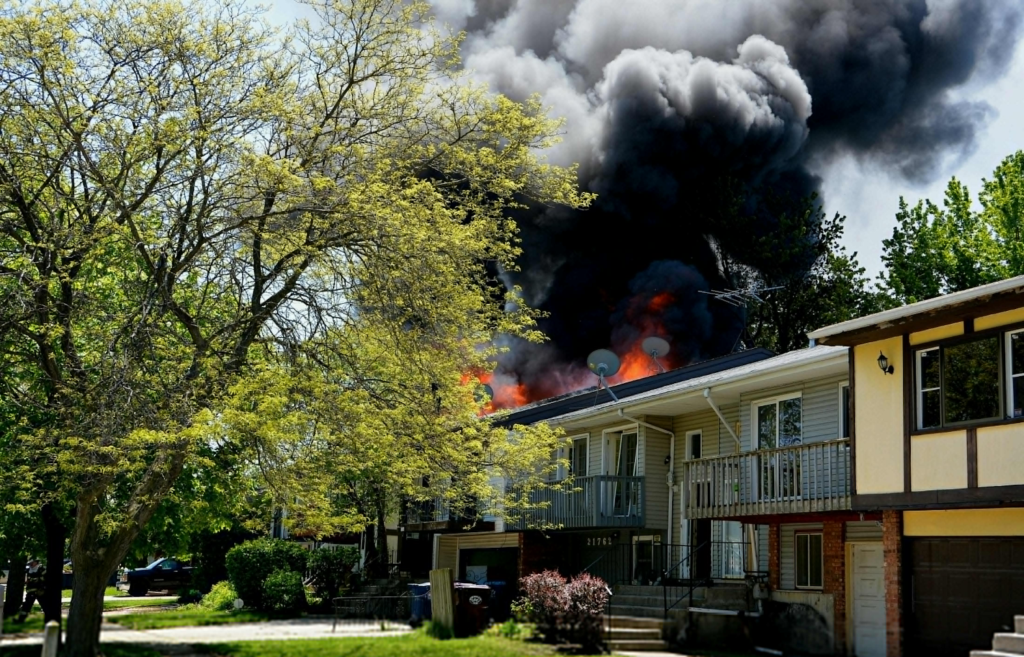
Electrical fire hazards are one of the most overlooked dangers in residential homes, yet they pose serious risks to both property and personal safety. From outdated wiring to overloaded outlets, many homeowners unknowingly create conditions that could ignite a fire.
Being aware of common electrical fire hazards allows homeowners to take proactive measures before a minor problem turns into a major disaster. Simple preventative actions, regular inspections, and professional guidance can significantly reduce the likelihood of an electrical fire.
Avoid these 15 common electrical problems that are major fire hazards!
Outdated and Faulty Wiring
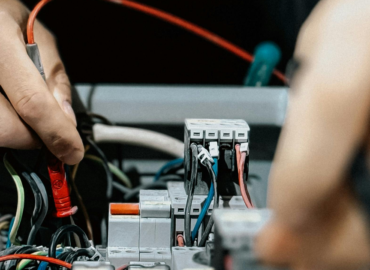
Old or poorly maintained wiring is one of the most dangerous electrical fire hazards in older homes. Over time, insulation on wires deteriorates, metal corrodes, and connections loosen, all of which generate heat and increase fire risk.
The solution to this is to either repair any faulty wiring or get new ones installed by professionals. Experts and their services are available at Catale Electric Company by the licensed electricians. Homeowners can live comfortably knowing that their households are safe from fire hazards inside their walls.
How to get rid of rats from inside your walls to avoid bitten wires!
Overloaded Outlets and Power Strips
Plugging too many devices into one outlet or power strip is a very common electrical fire hazard. Overloading a circuit causes heat buildup, which can lead to sparks or ignition. Fire prevention resources recommend distributing electrical loads across multiple circuits and avoiding the use of extension cords as a permanent solution.
If your home doesn’t have enough outlets, ask a licensed electrician to install additional ones. Professional services from Catale Electric Company provide electrical upgrades and installations that are safe, code-compliant, and fire-risk free.
More electric safety tips you should know.
Faulty Electric Appliances
Many electrical fires begin with malfunctioning appliances such as heaters, dryers, coffee makers, or refrigerators. Worn‑out cords, loose connections, and internal component failures can all cause overheating or sparks. Additionally, dust buildup inside appliances can ignite when it comes into contact with electrical heat.
Regularly cleaning and inspecting your appliances reduces this risk. If an appliance repeatedly trips breakers, emits a burning smell, or shows signs of wear, unplug it immediately and consult a professional electrician.
How to fix your home appliances
Improper Use of Extension Cords
Extension cords are designed for temporary use, but many homeowners mistakenly rely on them for long‑term power needs. Running cords under carpets, through doorways, or across rooms can damage insulation and increase the likelihood of an electrical fire.
These cords are prone to wear and tear, stretching, pressure, and overuse. Different extension cords are designed for different uses, and understanding that prevents electric fire hazards all over the home.
Contact Catale Electric Company today for a proper home inspection to prevent fire hazards.
DIY Electrical Work Gone Wrong
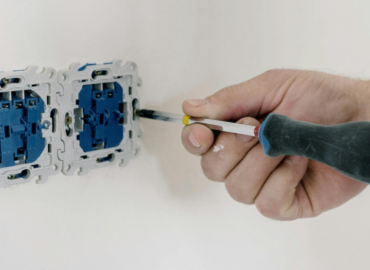
Attempting electrical repairs or installations without proper training is one of the biggest electrical fire hazards a homeowner can face. Mistakes like incorrect wiring, improper breaker replacements, or unsafe panel work can create hidden dangers that lead to fires.
Rather than risk damage or injury, always hire a licensed electrician for electrical work. Professional services ensure compliance with safety codes and reduce fire hazards. It’s always a better option to contact experts before a major mistake is made.
Summary of Common Fire Hazards at Home
The following table summarizes common electrical fire hazards at home, all of which can be avoidable when you call professional and licensed electricians.
| Electrical Fire Hazard | Key Points |
| Outdated or Faulty Wiring | Old wiring can deteriorate over time, with insulation breaking down and connections loosening. These issues increase the risk of overheating and electrical fires, especially in older homes. |
| Overloaded Outlets and Power Strips | Plugging too many devices into a single outlet or power strip can generate heat and sparks, making overloaded circuits a common cause of residential fires. |
| Faulty Electrical Appliances | Malfunctioning appliances, such as heaters, dryers, or kitchen devices, can overheat or spark. Dust buildup and worn-out cords inside appliances further contribute to fire hazards. |
| Improper Use of Extension Cords | Using extension cords as permanent solutions, running them under carpets, or through doorways can damage insulation and create hidden fire risks. |
| DIY Electrical Work Gone Wrong | Untrained attempts at electrical repairs or installations can lead to mistakes like incorrect wiring or unsafe breaker replacements, creating serious fire hazards. |
| Preventing Electrical Fires at Home | Regular inspections, replacing damaged components, avoiding overloaded circuits, and using safety devices like arc-fault circuit interrupters (AFCIs) can significantly reduce the risk of electrical fires. |
Contact Catale Electric Company today for a thorough inspection of your home.
FAQs
1. What are the most common electrical fire hazards in homes?
Common hazards include outdated wiring, overloaded outlets, faulty appliances, and improper use of extension cords. Regular inspections help detect these risks early.
2. How often should I inspect my home’s electrical system?
Experts recommend at least once a year or whenever you notice signs like warm outlets, flickering lights, or frequent breaker trips.
3. Can I fix electrical issues myself?
DIY electrical work often increases fire hazards and may void warranties or insurance. It’s safer to hire a licensed electrician, especially for wiring changes and panel work.
4. What should I do if I smell burning from an outlet?
Turn off power to the area immediately, unplug devices, and contact a professional electrician to inspect the circuit
5. What appliances are most likely to cause electrical fires?
High-wattage appliances like space heaters, dryers, ovens, coffee makers, and old refrigerators are common culprits, especially if cords are frayed, plugs are loose, or dust accumulates inside.